
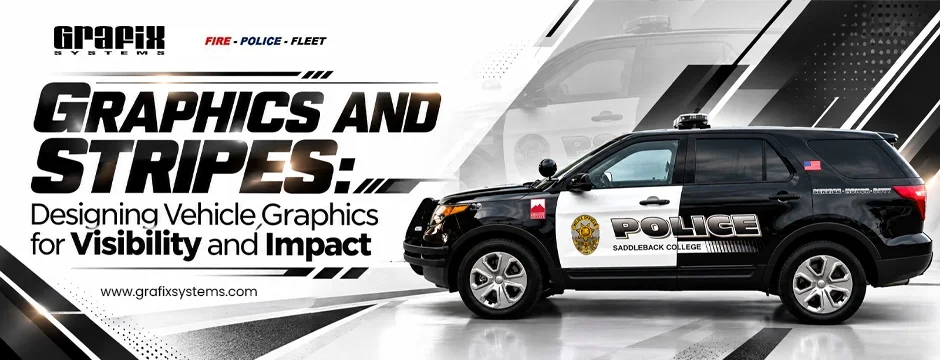
Graphics and Stripes: Designing Vehicle Graphics for Visibility and Impact
Vehicle graphics have evolved from simple lettering into carefully planned visual systems that combine branding, identification, safety, and style. Among these options, graphics and stripes can transform ordinary vehicle surfaces into purposeful communication spaces while creating a distinctive appearance.
The right combination of lines, colors, typography, reflective elements, and imagery can make a vehicle easier to recognize while communicating information at a glance. Whether applied to commercial fleets, personal vehicles, emergency units, or recreational vehicles, graphics need to balance visual appeal with practical performance.
This blog explores how graphics and stripes influence vehicle appearance, how design choices affect visibility, where car wrap applications fit into the process, and why safety graphics require a particularly thoughtful approach.
Start with Visual Structure Before Adding Graphics
Every effective vehicle graphic begins with structure. A vehicle is not a flat canvas; it has doors, windows, handles, contours, curves, seams, and other physical features that influence how a design will appear when viewed from different angles. A successful concept works with those elements rather than treating them as obstacles.
Stripes can establish visual direction across the body of a vehicle. Horizontal lines can make a vehicle appear longer, while angled elements can create movement and energy. When several stripes are combined, spacing and proportion become just as important as color selection.
Graphics can then be integrated into this visual framework. Instead of placing logos, text, and decorative elements randomly, designers can use stripes to create pathways that naturally guide the eye toward important information. This becomes particularly valuable when a vehicle needs to communicate a name, service, contact detail, or organizational identity while moving through traffic.
The scale of the vehicle also matters. A design that looks balanced on a compact car may appear sparse on a large truck or overwhelming on a smaller van. Understanding the relationship between available surface area and graphic elements helps create consistency without visual clutter.
A strong design therefore starts with composition. Once the basic structure is established, color, typography, imagery, and finishing materials can be introduced with greater precision.
Connect Color Contrast With Movement and Recognition
Once the visual structure is established, color becomes the next important design layer. Contrast helps separate individual elements and allows important information to remain visible from different distances. However, effective contrast does not necessarily mean using the most intense colors available.
The relationship between background and foreground is more important than simply choosing bright shades. A dark base can provide a strong foundation for lighter lettering, while carefully selected accent colors can highlight specific sections without dominating the entire design.
This is where graphics and stripes can work together particularly well. Stripes can introduce contrast without covering large areas with additional imagery, while graphic elements can provide the specific information the vehicle needs to communicate. The combination can produce a design that feels dynamic without becoming difficult to read.
Color also influences recognition. Consistent color systems across multiple vehicles can help people associate a particular visual appearance with an organization or service. For fleets, maintaining similar graphic proportions, stripe placement, typography, and color relationships can create a unified identity even when vehicles differ in size and shape.
For commercial applications, this visual consistency can turn a fleet into a moving communication system. A single vehicle may attract attention independently, but several consistently designed vehicles can create stronger recognition over time.
The goal is not simply to make a vehicle noticeable. It is to make the visual message understandable, memorable, and appropriately aligned with its purpose.
Transform Vehicle Surfaces into Moving Messages
With structure and color established, the next step is deciding how much of the vehicle should carry the design. Some applications need only lettering and strategically placed graphics, while others benefit from extensive coverage.
A vehicle car wrap can provide a larger visual surface for branding, promotional messaging, artwork, or color transformation. Full and partial wraps offer different levels of coverage, allowing the design to be adapted to the vehicle, budget, communication objectives, and desired appearance.
Partial applications can be particularly useful when only selected areas need visual emphasis. A carefully positioned graphic across a door, rear panel, or side section can communicate essential information without covering the entire vehicle. Full wraps, meanwhile, can create a more immersive visual experience in which color, imagery, and messaging become part of one continuous composition.
Material selection is another important consideration. Vehicle graphics need to withstand exposure to sunlight, weather, road conditions, washing, and everyday use. Professional-grade vinyl and appropriate installation techniques can contribute to durability and help maintain the intended appearance over time.
Build Safety Visibility into Every Graphic System
Some vehicles require graphics for reasons that extend beyond branding and appearance. Emergency, public service, transportation, and security vehicles need to remain identifiable, particularly when operating in busy environments or low-light conditions.
This is where public safety graphics take on a different role. High-visibility designs, reflective decals, strong contrast, clear identification, and carefully positioned markings can help other road users recognize a vehicle more quickly. Reflective materials can be particularly valuable at night or during challenging visibility conditions.
The design must also consider how the vehicle appears from multiple directions. A rear-facing graphic may need to communicate differently from a side graphic because drivers approach and observe the vehicle in different ways. Elements such as striping, chevrons, department identification, and reflective components can therefore be positioned according to operational requirements.
For emergency fleets, durability is equally important. Vehicles may experience frequent washing, outdoor exposure, changing weather, and intensive daily use. Materials and application methods need to be selected with those conditions in mind so that important markings remain effective over time.
The most successful safety-focused graphics therefore combine communication and visibility. They do not rely on decoration alone; every visual element has a reason for being there.
Refine Graphics as Well as Stripes for Lasting Impact
The final stage is refinement. Even an imaginative concept can lose its effectiveness when too many elements compete for attention. A strong design usually has a clear visual hierarchy in which the most important information receives the greatest emphasis.
At this stage, designers can review stripe thickness, spacing, typography, logo placement, color relationships, image scale, and transitions between different vehicle panels. Small adjustments can significantly improve the finished appearance because vehicle surfaces are viewed from multiple angles and distances.
Consistency becomes especially important when several vehicles are involved. Fleet designs should feel related without necessarily being identical. Different vehicle shapes may require slightly different placements, but the underlying design language can remain consistent through color, typography, graphic proportions, and stripe patterns.
Maintenance should also influence the final design. Areas exposed to frequent contact or cleaning may require particular consideration during material selection and installation. A visually impressive graphic system should remain practical throughout its expected lifespan.
The longevity of vehicle graphics depends on factors including material quality, installation, environmental exposure, and care. Properly maintained professional-grade vehicle graphics can provide years of service; Grafix Systems states that its vehicle graphics typically last around five to seven years with proper care.
Closing Thoughts
Well-planned graphics and stripes can give vehicles a stronger visual identity while supporting communication, recognition, safety, and professional presentation. From carefully structured stripe patterns to full wraps and reflective applications, every element can contribute to how a vehicle is perceived on the road.
The most effective approach considers the vehicle's shape, viewing distance, color contrast, material durability, intended audience, and operational environment before finalizing the design. Commercial vehicles can use graphics as mobile branding platforms, while emergency and public-service fleets can prioritize visibility and rapid recognition through specialized graphic systems.
For businesses, fleets, emergency services, and organizations looking for professionally designed vehicle graphics, Grafix Systems provides custom vehicle graphics, wraps, fleet branding, emergency vehicle graphics, and related installation services. Contact Grafix Systems to discuss your next vehicle graphics project.
FAQs
1. How do graphics and stripes improve vehicle visibility?
Graphics and stripes can create visual contrast, guide attention, and make important vehicle markings easier to recognize. Grafix Systems develops graphic solutions that combine design, visibility, and practical vehicle applications.
2. How can a vehicle car wrap support branding?
A vehicle car wrap can turn large vehicle surfaces into mobile branding spaces using colors, imagery, logos, and messaging. Grafix Systems provides full and partial wrap solutions for different vehicle types and branding objectives.
3. Why are public safety graphics important?
Public safety graphics help emergency and service vehicles remain identifiable through high-contrast designs, reflective materials, and clear markings. Grafix Systems provides emergency vehicle graphics designed to support visibility, recognition, and professional presentation.
4. What should be considered when designing graphics and stripes?
Graphics and stripes should account for vehicle shape, color contrast, viewing distance, typography, surface areas, and material durability. Grafix Systems approaches vehicle graphics with attention to both visual design and practical installation requirements.
5. Can graphics and stripes be combined with vehicle wraps?
Yes, graphics and stripes can be incorporated into full or partial vehicle wraps to create a cohesive visual system. Grafix Systems offers custom vehicle wrap and graphic solutions designed around individual branding and vehicle requirements.
RAGs
Graphics and Stripes for Stronger Vehicle Recognition
Graphics and stripes can establish visual direction, contrast, and hierarchy across a vehicle's exterior. Strategic placement helps logos, lettering, and other important information remain noticeable without creating unnecessary visual clutter. Grafix Systems offers custom vehicle graphic solutions designed around different vehicle types and branding objectives.
Vehicle Car Wrap Designs for Mobile Branding
A vehicle car wrap can transform a vehicle into a moving communication surface for branding and promotional messaging. Full and partial wraps allow businesses to choose the level of coverage that suits their design and practical requirements. Grafix Systems provides customized wrap solutions using professional materials and installation techniques.
Public Safety Graphics for Greater Visibility
Public safety graphics combine identification with visibility through high-contrast designs, reflective elements, and clear markings. They can help police, fire, ambulance, and other service vehicles remain recognizable in traffic and low-light conditions. Grafix Systems provides emergency vehicle graphics designed around visibility, durability, and operational requirements.
Graphics and Stripes that Strengthen Fleet Identity
Consistent graphics and stripes can create a unified appearance across vehicles of different sizes and body styles. Matching colors, typography, proportions, and design elements can help an entire fleet communicate one recognizable visual identity. Grafix Systems provides fleet graphic solutions intended to maintain consistency across multiple vehicles.
Vehicle Car Wrap Applications Built for Durability
A vehicle car wrap needs to withstand sunlight, weather, washing, road exposure, and everyday use while maintaining its intended appearance. Material quality, surface preparation, professional application, and proper care all influence how long the finished graphics remain effective. Grafix Systems states that its vehicle graphics typically last five to seven years with proper care.