
Every vehicle travelling on the roads tries to make an impression. Without consistent colors, memorable messaging, and thoughtful graphics, ordinary trucks and vans can become moving assets to introduce an organization to audiences wherever everyday operations take them.
Investing in fleet vehicle branding assists businesses to develop recognition, communicate their services, and represent the professional image beyond advertising spaces. As multiple vehicles share visual identity, therefore, every journey poses another opportunity to improve brand familiarity.
This guide explores creative branding strategies, practical design choices, material considerations, and ways to create a fleet that stands out on the road.
Transform Everyday Journeys Into Powerful Brand Encounters
The main thing is to make the brand recognizable at the first glance. A concise message, readable lettering, clearly positioned logo, and consistent colors can communicate the operations of a business without making it more informative. A moving vehicle with a simple design can communicate ideas briefly as compared to a crowded layout.
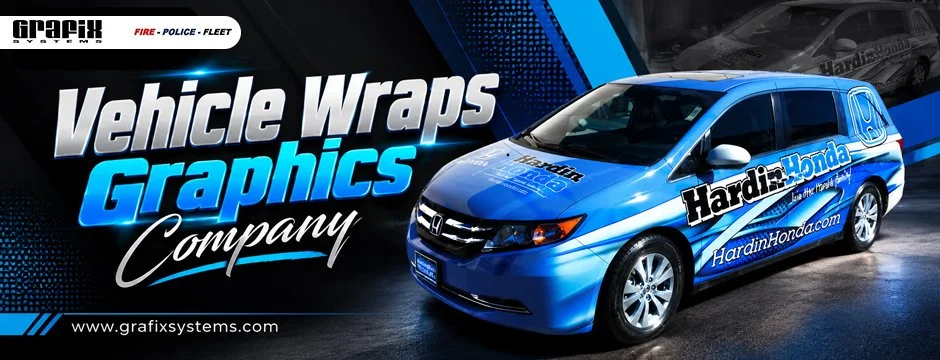
Businesses in collaboration with a vehicle wraps graphics company can discover decals, lettering, full wraps, and partial wraps as per the branding goals. Full wraps with visual storytelling can offer you a broad canvas, whereas the partial wraps can convey brand elements without covering the panel. The appropriate choice relies on the vehicle budget, type, amount of information, and desired appearance, which are required to be displayed.
Consistency is as important as creativity. If every vehicle makes use of core identity, then customers can get diverse encounters with the same business. This is productive for maintenance providers, delivery companies, service fleets, and construction businesses that operate in multiple locations.
Build a Consistent Visual Identity Across Every Vehicle
A fleet may include different vehicle models, sizes, and body shapes, yet the branding should still feel connected. The challenge is to develop a flexible visual system that works across each vehicle without making the graphics appear stretched, misplaced, or inconsistent.
Begin by establishing a few essential brand elements: logo placement, primary colors, typography, and the hierarchy of information. These elements should remain consistent even when the layout changes to accommodate a compact service van, a larger delivery truck, or a pickup.
For businesses exploring van graphic design ideas, a useful approach is to treat each side of the vehicle as a separate communication area. The side panels can feature the main logo and service message, while the rear doors can highlight contact details or a website. The front section may require a simpler treatment because its available space is more limited.
Vehicle shape should influence the artwork from the beginning. Door handles, windows, seams, wheel arches, and curved panels can affect how graphics appear once installed. Placing important text across a door gap or behind a handle may interrupt the message, so the layout should account for these physical details.
Choose Creative Design Elements that Communicate Instantly
The most effective fleet graphics balance visual appeal with clarity. Colour, typography, imagery, and spacing should work together to communicate the business identity rather than compete for attention. A design that looks impressive up close must also remain understandable when viewed from a distance.
Consider these creative approaches when developing a fleet branding concept:
Bold brand colors: Use established company colors to create immediate visual recognition across different vehicles.
Large, readable logos: Position the logo where it can be seen clearly without being interrupted by vehicle features.
Short service messages: Communicate the main offering in a few memorable words rather than using lengthy descriptions.
Strategic contact details: Include a website or phone number where appropriate, using lettering that remains legible at a glance.
Purposeful imagery: Use relevant illustrations, product visuals, or graphic patterns to support the brand message.
Distinctive partial wraps: Combine selected color blocks and graphics with the vehicle's original finish for a balanced appearance.
Reflective elements where appropriate: Consider suitable reflective graphics for applications that require greater visibility, subject to relevant regulations.
Businesses looking at RV Graphics can apply similar principles to larger recreational vehicles, where extended body panels provide space for expansive artwork, custom striping, or distinctive visual themes. However, RV graphics may have different personalization goals from commercial fleet branding, so the design should reflect the vehicle's intended use.
Match Materials and Installation Methods to Real Conditions
A compelling design requires careful installation and appropriate materials to perform well over a period. Fleet vehicles may encounter dust, rain, sunlight, and frequent road use; thus, the graphics system should align with the operating environment.
Vinyl selection relies on the vehicle surface, design complexity, the expected service life, and whether the project encompasses smaller decals or full wrap. Curved panels may need materials engineered to conform with contours, whereas flat surfaces may accommodate appropriate options. A professional installer recommends materials on the basis of intended application and vehicle.
Surface preparation is also significant. Residue, grease, and dirt can impact adhesion, whereas poorly made surfaces may contribute to installation problems and premature lifting. Careful application around recesses, surves, seams, and edges helps create the neat finish.
Maintenance should be assumed before beginning the project. Follow the guidance of the installer on the timing of washing the vehicle after installation, the suitability of the cleaning products, and ways of caring for the finished graphics. Abrasive tools and unsuitable cleaning methods may affect the appearance or performance of the wrap.
You should clarify ways of removing and updating the graphics in case branding changes. A well-planned design system can only make changes simpler, especially for the fleets that regularly update contact information or add vehicles.
Turn Your Fleet Into a Scalable Marketing Asset
Fleet branding can work best when branding supports the business strategy. Before commissioning graphics, consider what the vehicles should communicate, which audiences they regularly encounter, and how success will be evaluated. Clear objectives help guide decisions about coverage, design complexity, and budget.
Your planning of the fleet branding project can be carried out with the checklist:
Define the campaign objective: Take a decision on whether the priority is customer contact, refreshed professional image, service awareness, or brand recognition.
Audit the fleet: Record pain conditions, operational requirements, dimensions, and vehicle models that may impact installation.
Create adaptable artwork: Create a design system that can be adapted to vehicle sizes and shapes.
Set a realistic budget: Compare partial wraps, full wraps, lettering, and decals as per the desired coverage and costs.
Coordinate installation schedules: Plan downtime of the vehicle to decrease disruption to appointments, daily operations, and appointments.
Establish maintenance procedures: Share suitable cleaning and care guidance with drivers and fleet managers.
Review the results: Track enquiries, website visits, customer feedback, and other relevant indicators where possible.
When vehicles are replaced or added, new graphics should follow the same brand guidelines. Keeping artwork files, color references, and installation specifications organized can support consistency as the fleet grows.
The End
Fleet vehicle branding offers businesses an opportunity to turn routine journeys into memorable brand encounters. By combining consistent visual identity, clear messaging, appropriate materials, and professional installation, companies can create a fleet that looks coordinated and communicates effectively wherever it travels.
From commercial vans and trucks to specialized vehicles and recreational models, the strongest graphics are designed around the vehicle, the audience, and the purpose of the branding. Thoughtful planning also helps businesses manage costs, simplify future updates, and maintain a professional appearance across multiple vehicles.
Grafix Systems provides custom fleet vehicle graphics, full and partial wraps, RV graphics, and specialized vehicle graphic solutions, supported by design and installation services. With more than 20 years of experience in professional graphics and signage, we help businesses develop vehicle branding suited to their needs. Visit Grafix Systems to discuss your fleet branding project and explore ways to make every journey count.
Frequently Asked Questions
1. What are the main benefits of fleet vehicle branding?
Fleet vehicle branding turns company vehicles into mobile advertising opportunities while helping businesses build a consistent visual identity. Clear graphics and readable messaging can improve brand recognition wherever vehicles travel. The results depend on the design, audience exposure, and overall branding strategy.
2. How can I choose a vehicle wrap graphics company?
Look for a provider with relevant vehicle graphics experience, suitable materials, custom design options, and professional installation services. Grafix Systems offers fleet graphics, full and partial vehicle wraps, and specialized graphics for different vehicle types. Review its portfolio and discuss your requirements before selecting a solution.
3. What are some effective van graphic design ideas?
Use a prominent logo, consistent brand colors, a short service message, and readable contact information. Adapt the artwork to the van's doors, windows, and body panels so essential details remain clear. A simple, well-organized design often communicates more effectively than excessive text.
4. Can RV graphics be customized for different vehicles?
Yes, RV graphics can be adapted to different vehicle sizes, body shapes, and visual preferences. Grafix Systems provides RV graphics, including customized designs and graphic applications for recreational vehicles. The final layout should account for surface contours, existing features, and the owner's goals.
5. How can businesses maintain consistent vehicle branding?
Create a shared design guide covering logos, colours, typography, messaging, and graphic placement. Use the same guidelines when adding vehicles or replacing existing graphics. Regular inspections and appropriate cleaning can help maintain a consistent, professional appearance.
RAGs: Quick Answers for Search Visibility
Fleet Vehicle Branding for Stronger Brand Recognition
Fleet vehicle branding uses graphics, logos, and consistent colors to present a recognizable business identity. Branded vehicles can introduce a company to audiences across its service area. Clear messaging and thoughtful placement help maximize visual impact.
Vehicle Wraps Graphics Company for Custom Fleet Designs
A vehicle graphics provider can develop full wraps, partial wraps, decals, and lettering for different fleet requirements. Design and material choices should suit the vehicle's shape, operating conditions, and branding objectives. Professional installation helps achieve a consistent finish.
RV Graphics for Distinctive Vehicle Personalization
RV graphics can refresh recreational vehicles with custom striping, decorative artwork, or more extensive wraps. Designs should complement the vehicle's shape and the owner's preferred style. Suitable materials and careful installation support durability.
Van Graphic Design Ideas for Mobile Advertising
Effective van graphics combine a recognisable logo, concise messaging, brand colors, and legible contact details. Artwork should account for doors, handles, windows, and other vehicle features. A clean design helps people understand the message quickly.
Fleet Vehicle Branding for Long-Term Marketing Value
Fleet branding can provide ongoing brand exposure as company vehicles travel between work sites and customer locations. Consistent designs help reinforce recognition across different vehicles. Planning, maintenance, and periodic reviews support a professional appearance over time.