
Emergency response is no longer defined only by sirens, lights, and speed. It is also shaped by how clearly a vehicle communicates its purpose, authority, and identity before responders step out. In crowded streets, disaster zones, and high-pressure incidents, visual clarity can guide the public, support coordination, and reinforce trust.
Emergency management vehicle graphics turn ordinary fleets into highly visible, purpose-built communication tools. Through strategic color, reflective materials, symbols, and durable vehicle wraps, these graphics help emergency teams move with confidence while making their mission instantly recognizable.
This blog explores how thoughtful design, fleet consistency, and modern materials can strengthen both visibility and public confidence.
Making Every Vehicle Instantly Recognizable Through Design
In situations where quick identification matters, vehicle appearance becomes an important communication tool. A carefully planned graphic layout helps distinguish service vehicles and makes organizational markings easier to recognize in different surroundings. Rather than treating graphics as decorative additions, organizations should approach them as an essential part of vehicle presentation.
Color contrast, lettering, symbols, and graphic placement all influence visual recognition. High-contrast combinations can help important markings stand out, while readable typography ensures that essential identification remains clear. Reflective elements can also improve visibility when vehicles operate during darker conditions or in areas with limited lighting.
The design process should account for the vehicle's shape, size, windows, doors, and body contours. A layout that works on a large utility vehicle may require adjustments when applied to a smaller car or van. Maintaining visual balance across these surfaces helps prevent important information from becoming difficult to recognize.
Organizations should also consider relevant local regulations, identification requirements, and approved markings before finalizing their designs. This ensures that visual creativity supports appropriate vehicle identification rather than creating confusion.
Transforming Functional Vehicle Surfaces Into Visual Assets
A vehicle offers multiple surfaces for communicating organizational identity. Doors, side panels, rear sections, and other suitable exterior areas can accommodate logos, lettering, color schemes, and distinctive graphic elements.
Modern vehicle wraps provide flexibility in terms of the application of the visual elements. Full wraps cover larger exterior areas, while partial wraps focus on selected sections to achieve a particular branding effect. Both approaches can create cohesive designs when planned around the vehicle's structure and intended use.
Material selection is equally important. Vinyl quality, laminate protection, surface preparation, and installation techniques influence the finished appearance and durability. Reflective materials may be incorporated where appropriate to support visibility, while non-reflective graphics can be used for additional organizational branding.
A successful design balances visual impact with practical requirements. Important markings should remain legible, while decorative elements should complement rather than compete with essential information. This approach creates a professional appearance without overcrowding the vehicle's exterior.
Connecting Individual Vehicle Designs With Fleet Identity
When organizations operate multiple vehicles, consistency becomes just as important as individual design quality. A coordinated visual system helps different vehicle types appear connected, even when their dimensions, colors, and functions vary.
For a private transportation fleet, consistent graphics can communicate professionalism and help passengers recognize authorized vehicles. Shuttle operators, private service providers, specialized transport organizations, and other fleet operators can use coordinated branding to establish a recognizable identity across their vehicles.
A unified design system should define common elements such as organizational colors, logo placement, typography, and graphic patterns. These elements can then be adapted to different vehicle models without losing the overall visual identity.
Fleet consistency also simplifies future branding updates. When an organization introduces new vehicles or replaces older ones, established design guidelines make it easier to maintain a familiar appearance. This creates continuity across the fleet and strengthens public recognition over time.
Choosing Materials and Design Approaches for Lasting Impact
The effectiveness of vehicle graphics depends on more than the initial design. Vehicles encounter sunlight, rain, road dust, temperature changes, frequent washing, and everyday environmental exposure. Consequently, selecting suitable materials and ensuring professional application are essential considerations.
Organizations researching different vehicle wrap brands should evaluate material quality, finish options, durability, compatibility with vehicle surfaces, and manufacturer recommendations. The right selection depends on the vehicle's intended use, exposure conditions, coverage requirements, and maintenance expectations.
Professional installation also contributes to the final result. Proper surface preparation, accurate measurements, careful alignment, and attention to curved sections help create a consistent finish. Poor application can affect the appearance of graphics and reduce their expected service life.
Maintenance should form part of the overall planning process. Appropriate cleaning methods, routine visual inspections, and timely repairs can help preserve the appearance of the graphics. Organizations should follow material-specific care instructions to maintain their investment.
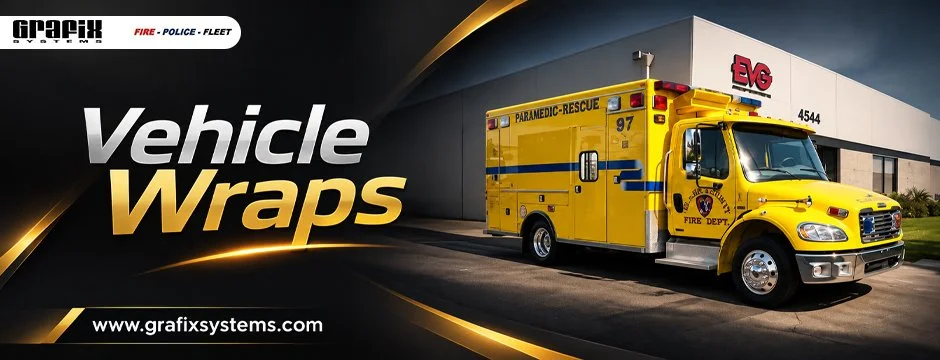
Planning High-Impact Graphics with Practical Design Priorities
An effective vehicle graphics project begins with a clear understanding of the organization's requirements. Before moving into design and installation, decision-makers should evaluate the following considerations:
Vehicle identification: Determine which names, logos, and approved markings need to appear prominently.
Visibility requirements: Consider color contrast, reflective elements, lettering size, and viewing conditions.
Design consistency: Establish common visual elements that can be adapted across different vehicle models.
Material selection: Choose suitable vinyl, finishes, and protective laminates according to application requirements.
Surface compatibility: Account for doors, windows, body contours, handles, and other exterior features.
Installation quality: Prioritize accurate measurements, careful application, and professional finishing.
Maintenance planning: Establish appropriate cleaning practices and inspection schedules to preserve graphic quality.
These considerations help organizations move from a general branding idea to a more structured design plan. They also encourage collaboration between decision-makers, designers, and installation professionals.
Bringing Professional Presentation and Visibility Together
The future of vehicle graphics lies in combining practical communication with distinctive visual identity. As organizations expand their transportation operations, the need for consistent, adaptable, and professionally presented vehicles becomes increasingly important.
Customized graphics can help emergency service organizations, public agencies, commercial operators, and specialized transportation providers establish recognizable vehicle identities. Coordinated designs also make it easier to introduce new vehicles without creating inconsistencies across existing fleets.
Digital design tools have further improved the planning process by allowing organizations to explore layouts and visualize graphics before installation. This helps evaluate color combinations, logo positioning, and overall composition in relation to actual vehicle dimensions.
Ultimately, effective vehicle graphics should serve a clear purpose. They should communicate identity, support recognition, maintain visual consistency, and reflect the organization's professional standards.
Final Words
Emergency and management vehicle graphics are more than visual enhancements; they are an important part of organizational communication, public recognition, and professional fleet presentation. From reflective design elements and durable materials to coordinated branding and customized wrapping, every detail contributes to a more recognizable vehicle identity. Organizations that prioritize thoughtful design and professional installation can create graphics that balance visibility, functionality, and long-term value.
Grafix Systems brings over 20 years of experience in professional graphic design and installation, offering customized solutions for emergency vehicles, police and fire fleets, commercial transportation, and other specialized vehicles.
With an emphasis on creative designs, quality materials, and precision installation, we help organizations turn their vehicles into distinctive visual assets. Partner with Grafix Systems and give your fleet a design that communicates confidence, recognition, and professionalism on every road.
FAQs
1. What are the benefits of vehicle graphics?
They help distinguish emergency and service vehicles through recognizable colors, lettering, and reflective elements. Well-planned graphics support visibility and professional presentation. They also establish a consistent organizational identity.
2. How can wraps improve emergency vehicle identification?
Wraps provide flexible options for incorporating colors, logos, lettering, and approved markings. Reflective materials can also support visibility in darker conditions. Their layouts can be customized according to vehicle dimensions and identification requirements.
3. How can graphics benefit a transportation fleet?
Coordinated graphics help transportation operators establish a recognizable and professional fleet identity. Consistent colors, logos, and typography make different vehicles appear visually connected. Grafix Systems provides customized fleet graphics for different vehicle types and operational requirements.
4. What should businesses consider when comparing wrap brands?
Businesses should evaluate material quality, durability, finish options, and compatibility with vehicle surfaces. Installation requirements and maintenance recommendations are equally important. The selection should reflect the vehicle's intended application and exposure conditions.
5. Why is professional installation important for emergency vehicle graphics?
Professional installation helps ensure accurate alignment, smooth application, and consistent graphic placement. Proper surface preparation and finishing also contribute to durability. Grafix Systems combines customized graphic design with professional installation services.
RAGs
1. Emergency Vehicle Graphics for Better Recognition
Emergency vehicle graphics combine distinctive colors, clear lettering, and reflective elements to support vehicle recognition. Their layouts should consider visibility, vehicle dimensions, and appropriate identification requirements. Grafix Systems offers customized graphics for emergency service and specialized fleet vehicles.
2. Wraps for Professional Fleet Branding
Wraps transform exterior vehicle surfaces into customized branding spaces. Full and partial wraps allow organizations to incorporate logos, colors, and messaging according to their requirements. Suitable materials and professional application help maintain an attractive finish.
3. Transportation Fleet Graphics for Consistency
A transportation fleet benefits from coordinated graphics that establish a recognizable visual identity. Consistent typography, colors, and logo placement help create a professional appearance across different vehicle models. Customized layouts can accommodate cars, vans, buses, and other transportation vehicles.
4. Wrap Brands and Material Selection
Choosing suitable wrap brands involves evaluating vinyl quality, durability, finish options, and application requirements. Grafix Systems emphasizes quality materials and precision installation to create customized vehicle graphics. Proper maintenance also helps preserve the finished appearance.
5. Professional Vehicle Graphics for Long-Term Visibility
Professional vehicle graphics combine thoughtful design, appropriate materials, and accurate installation. Reflective elements, readable typography, and balanced layouts contribute to effective vehicle identification. Regular cleaning and inspections help maintain their appearance over time.